
Museum & Studio Drawing
A Six-Week Observational Drawing Course with Jane Haycock
Fridays | 3:00–5:00 pm
11 September – 16 October 2026
A six-week drawing course moving between three of Berlin’s major museums and the Burnt Sienna studio, exploring what we can learn about drawing from Impressionism, Abstract Expressionism and contemporary art.
Dates
Friday 11 September — Alte Nationalgalerie
Friday 18 September — Burnt Sienna Studio
Friday 25 September — Neue Nationalgalerie
Friday 2 October — Burnt Sienna Studio
Friday 9 October — Hamburger Bahnhof
Friday 16 October — Burnt Sienna Studio
Location
Burnt Sienna Berlin
Kamminerstraße 9
10589 Berlin
The course alternates between the Burnt Sienna studio in Charlottenburg and guided drawing sessions at the Alte Nationalgalerie, Neue Nationalgalerie and Hamburger Bahnhof.
Museum meeting points will be communicated in advance.
Price
€395 / solidarity €340
Maximum 8 participants
About the Course
Drawing begins with learning to see.
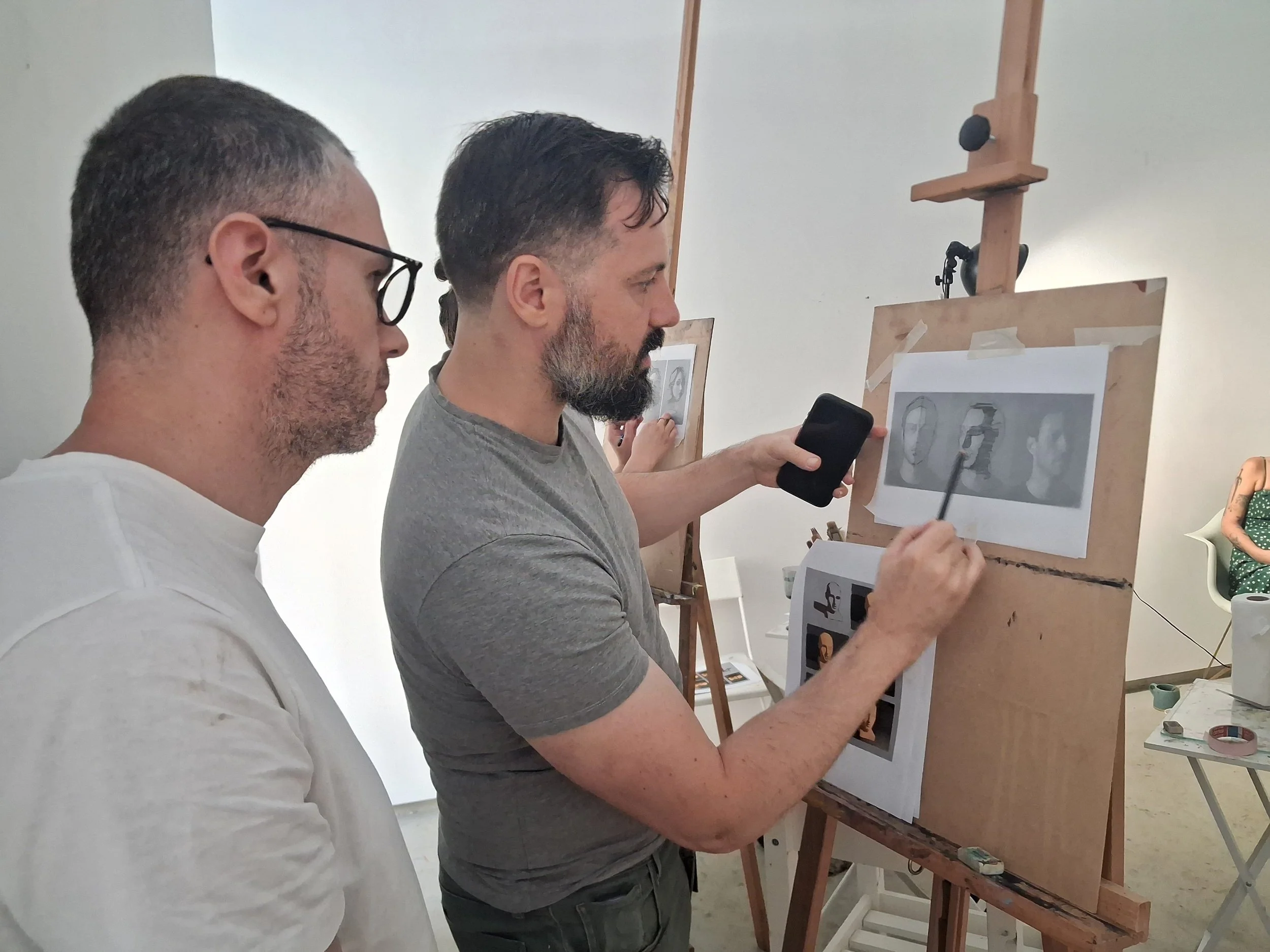
In this six-week course, artist Jane Haycock guides students through a programme combining close looking in Berlin’s museums with practical experimentation in the studio.
Rather than treating museum drawing as simply copying works of art, the course asks a different question: what can these artists teach us about drawing?
Across three museum visits, students will look at Impressionist, Abstract Expressionist and contemporary approaches to art, examining how artists have used light, shadow, gesture, composition, movement, materials and mark-making in radically different ways.
Each museum visit then becomes the starting point for the following studio session at Burnt Sienna.
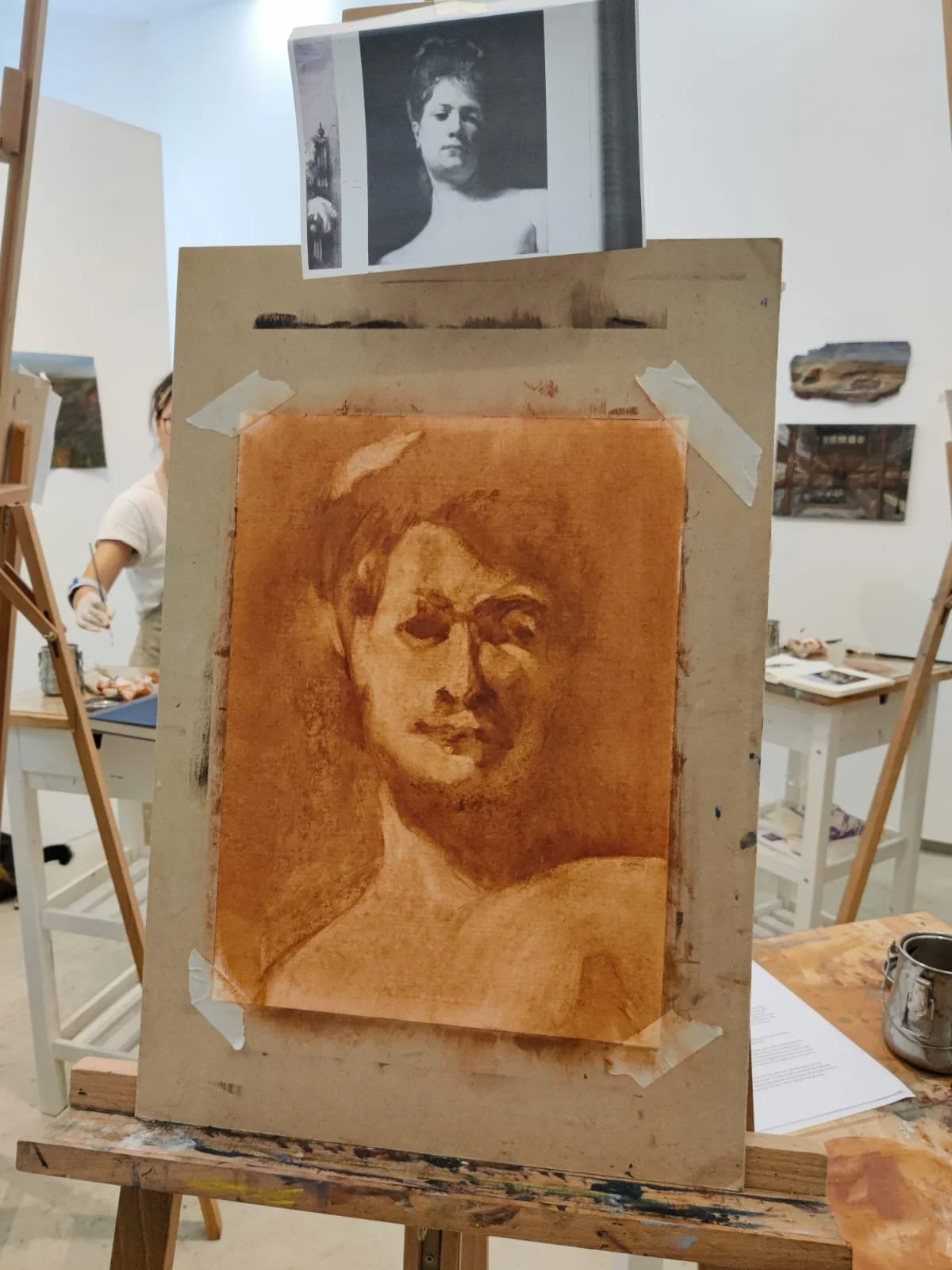
Students will experiment with what they have encountered through a series of guided drawing exercises — moving between observation and abstraction, control and chance, traditional drawing skills and more experimental approaches.
Throughout the six weeks, students develop the fundamental skills that underpin confident drawing and painting: line, proportion, composition, tone, visual structure and meaning.
The emphasis is on learning to look closely, becoming less afraid of making mistakes and discovering a wider and more individual drawing language.
Suitable for beginners with some drawing experience through to intermediate artists, the course provides a structured but supportive environment in which to build confidence and establish a regular drawing practice.
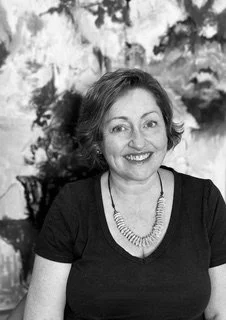
ane Haycock
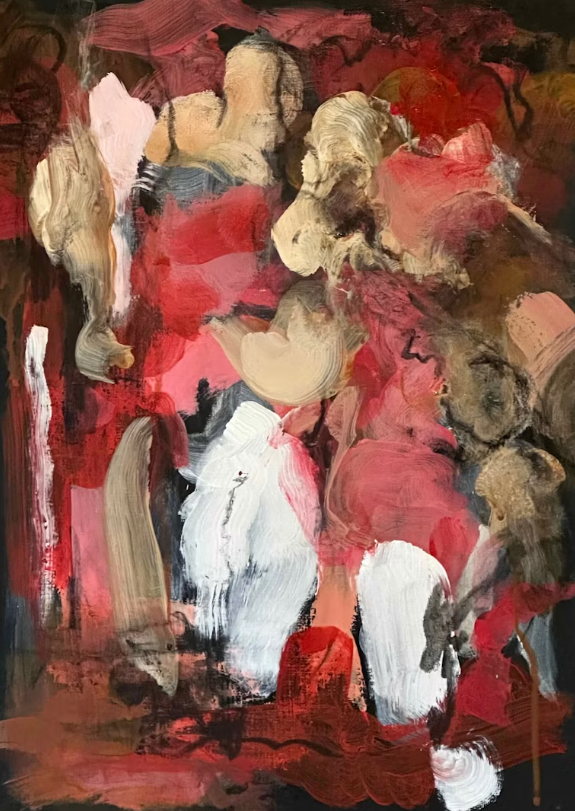
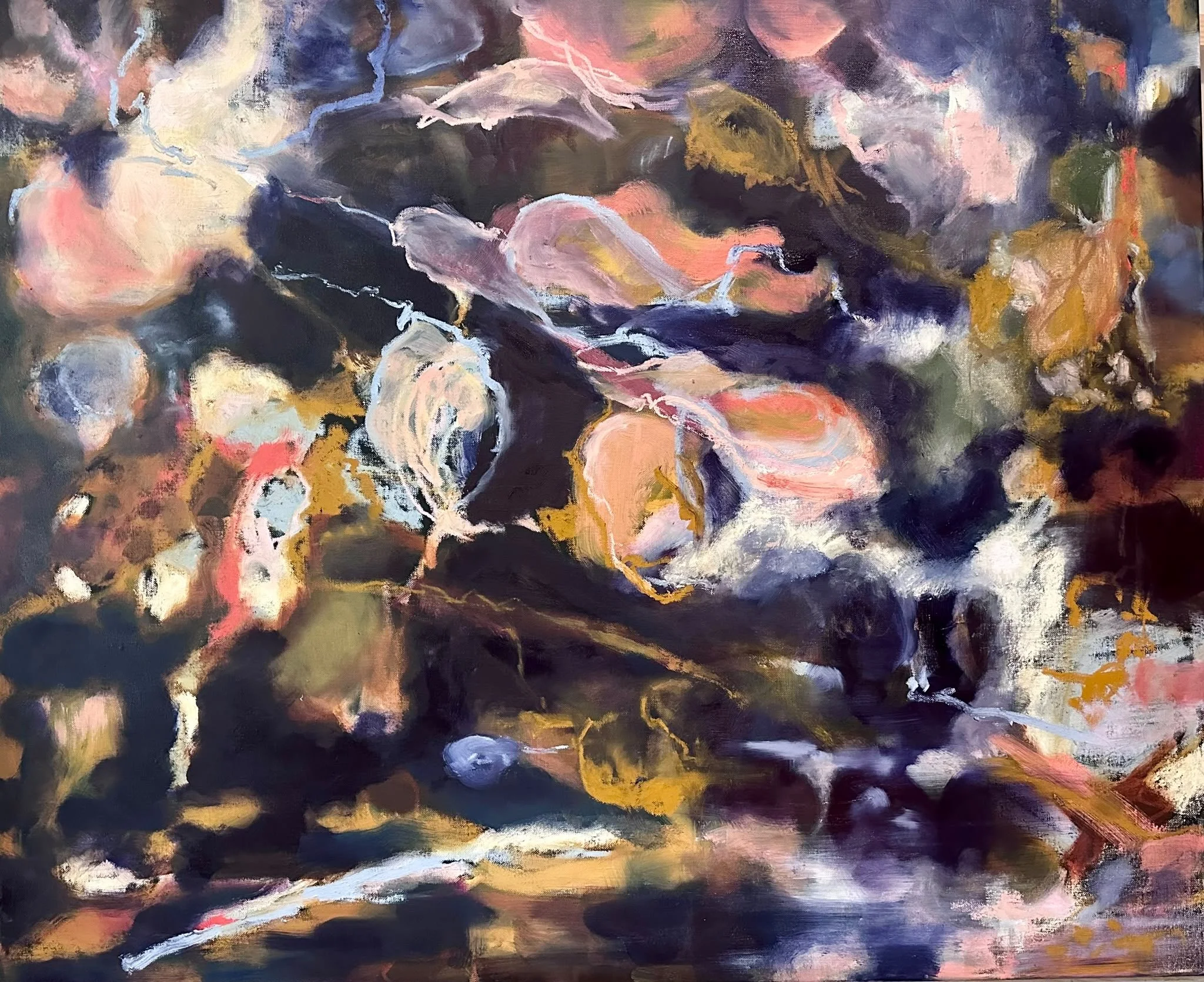
Jane Haycock is a British-Australian artist based in Berlin whose practice encompasses drawing, painting, photography and printmaking. Working with both water- and oil-based pigments and mediums, her work is rooted in the direct observation of nature. Her compositions favour asymmetry, organic forms and narrative structures over formal patterning.
Gestural mark-making is central to Haycock’s practice, reflecting a sensitive relationship between mind and body and an openness to intuition, chance and experimentation. Conceptually, her work considers the connections between place, memory and emotional response, using art as a means of understanding and navigating the environments she encounters.
After arriving in Berlin, Haycock became interested in the lakes and forests surrounding her home. Through frequent walks, drawing and observation, she began to recognise that these apparently natural landscapes were, in fact, managed, curated and, to a certain extent, human-made. The forests grew on a mountain formed from World War II rubble, trails originating in imperial hunts crossed through the trees, and a cemetery contained only the graves of people who had ended their own lives.
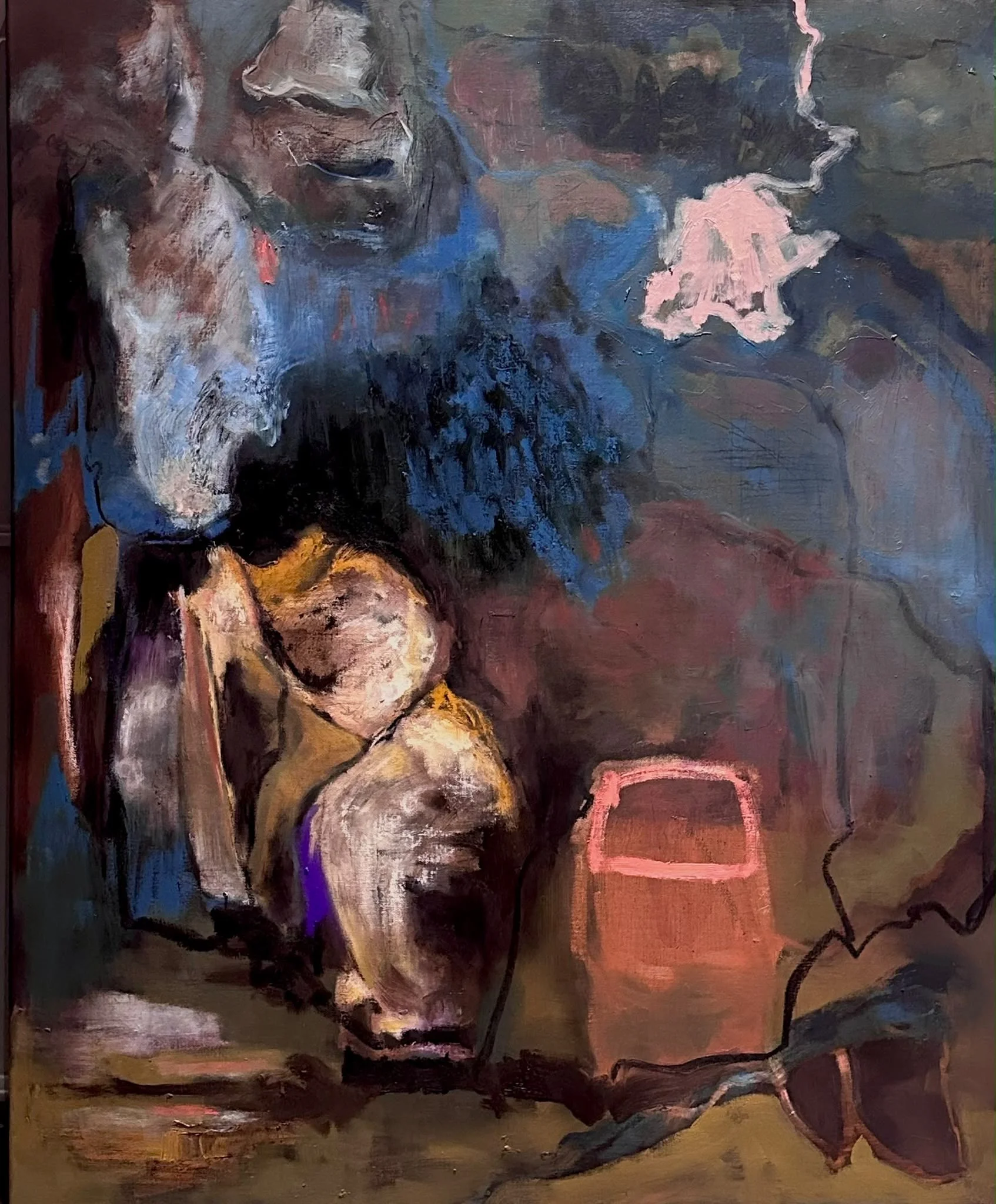
For Haycock, the landscape, like the city itself, is complex and layered with histories, memories and stories. Her work responds to these places and to the narratives embedded within them. Heart of the Matter emerged following a day spent drawing, observing and engaging directly with the forest.
Haycock is currently completing a Bachelor of Visual Arts at the Australian National University. In 2023, she was selected as a finalist for the ANU Drawing Prize, and in 2025 she participated in a mentoring programme at Burnt Sienna Art School in Berlin.
Course Structure
Week One — Alte Nationalgalerie
What can the Impressionists teach us about drawing?
Explore light and shadow, tone, composition and economy of marks through close looking and short drawing exercises.
Week Two — Burnt Sienna Studio
Applying what we learned from the Impressionists
Develop museum observations through negative-space drawing, upside-down drawing, subtractive drawing and exercises focused on confident, economical mark-making.
Week Three — Neue Nationalgalerie
What can Abstract Expressionism teach us about drawing?
Explore gesture, movement, rhythm, improvisation and alternative approaches to composition through experimental drawing exercises.
Week Four — Burnt Sienna Studio
Gesture, rhythm and letting go of control
Work with blind gesture drawing, two-handed drawing, music, timed exercises and unfamiliar ways of working to loosen habits and expand your range of marks.
Week Five — Hamburger Bahnhof
What can contemporary art teach us about drawing?
Consider drawing beyond the traditional page through process, movement, unconventional materials, chance and conceptual approaches.
Week Six — Burnt Sienna Studio
Chance, material and contemporary drawing
Bring the course together through experimental exercises including the walking line, frottage and instructional drawing, followed by group critique and reflection.
What You Will Explore
Throughout the six weeks you will develop your understanding of:
Line and contour
Proportion
Composition
Tone and light
Visual structure
Negative space
Gesture and movement
Expressive mark-making
Observation and visual attention
Drawing with the whole body
Working with constraint and chance
Traditional and experimental drawing approaches
Developing a more personal visual language
Looking critically and thoughtfully at works of art
Most importantly, the course is designed to help you become more confident in looking, experimenting and drawing without overthinking.
Who Is This Course For?
The course is suitable for beginners with some drawing experience through to intermediate artists.
It is particularly suited to:
Students who want to strengthen the drawing foundations underlying their painting practice
Artists who want to loosen up or move beyond habitual ways of drawing
Students interested in learning directly from Berlin’s museum collections
Painters wanting to improve observation, composition, tone and mark-making
Anyone wanting to establish a more regular and confident drawing practice
You do not need previous experience of drawing in museums.
Materials
Drawing materials used during the studio sessions are provided by Burnt Sienna, including paper, charcoal, chalk, ink and other materials used for the course exercises.
For museum sessions, students should bring a sketchbook or suitable drawing paper and portable dry drawing materials.
Museum admission is not included where applicable.
Why Museum & Studio?
Museums give us an extraordinary opportunity to learn directly from artists — but simply looking at paintings is very different from learning how to look at them.
Jane’s course uses each museum visit as the beginning of a practical investigation.
What happens if you stop drawing outlines and draw only shadows?
What happens when you draw with two hands?
What can an Impressionist teach you about economy of marks?
What can Abstract Expressionism teach you about gesture?
And what happens when contemporary art asks us to reconsider what drawing itself can be?
Back in the studio, those questions become practical exercises.
This movement between looking and making, museum and studio, historical works and your own drawings is at the heart of the course.
Why Burnt sienna Berlin
At Burnt Sienna, we believe drawing is fundamental to learning to paint, but also a serious artistic practice in its own right.
Our courses combine close observation, technical development, experimentation and discussion in small groups, allowing students to build strong foundations while developing an individual way of working.
Museum & Studio Drawing with Jane Haycock offers a rare opportunity to spend six weeks looking closely at some of Berlin’s most important collections and immediately putting those discoveries into practice in the studio.